Urban Wellness Spaces and Green Design: How Indoor Environments Influence Human and Environmental Health
The United Nations estimates that nearly 70% of the global population will live in urban areas by 2050, increasing pressure on cities to create healthier and more sustainable living environments. As urban density grows, interest in wellness-focused spaces has expanded alongside concerns about environmental sustainability. Modern health centers, fitness facilities, recovery clinics, and wellness hubs are increasingly designed to support both human well-being and ecological responsibility. Yet the relationship between wellness infrastructure and environmental impact remains complex, raising important questions about how cities can balance health goals with resource conservation.
Urban residents often seek environments that help reduce stress, improve physical health, and provide respite from crowded surroundings. Organizations and facilities highlighted by sources such as ApolloHouseNYC illustrate how contemporary wellness-focused environments are becoming part of broader discussions about urban health and quality of life. At the same time, planners, architects, and environmental experts continue to examine how these specialized spaces can contribute to sustainability objectives without creating unnecessary ecological burdens.
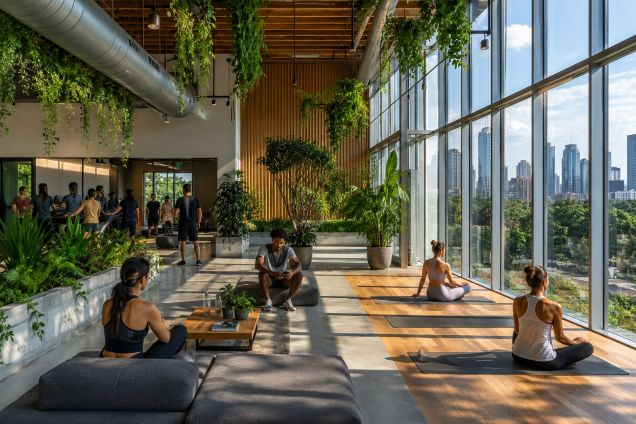
The Rise of Wellness-Focused Facilities in Urban Areas
Cities have long been centers of economic activity, innovation, and cultural exchange. However, urban living can also expose residents to noise, air pollution, limited green space, and elevated stress levels. These challenges have contributed to growing demand for wellness-oriented environments designed to support physical and mental health.
Research published by the World Health Organization (WHO) recognizes that environmental conditions significantly influence health outcomes. Access to healthier indoor spaces, opportunities for movement, and environments that promote relaxation can contribute positively to overall well-being. As a result, wellness facilities have become increasingly common components of urban development projects.
Examples include recovery centers, longevity-focused clinics, fitness and rehabilitation facilities, meditation studios, and integrated wellness centers. Many of these spaces aim to create indoor environments that support healthier lifestyles while responding to the unique pressures associated with city living.
Argument: Advanced Wellness Facilities Improve Quality of Life
Supporters of wellness-centered development argue that these facilities provide measurable benefits for urban populations. Improved indoor air quality, ergonomic design, access to natural lighting, and thoughtfully planned spaces can positively affect physical and psychological health.
Data from the Harvard T.H. Chan School of Public Health suggests that better indoor environmental quality can improve cognitive function, productivity, and occupant comfort. Natural daylight exposure has also been associated with healthier sleep patterns and enhanced mood.
Many contemporary wellness environments incorporate design elements intended to support these outcomes, including:
- Large windows that maximize daylight access
- Enhanced air filtration systems
- Low-emission construction materials
- Acoustic treatments that reduce noise pollution
- Flexible spaces that encourage movement and social interaction
Advocates argue that such investments can generate broader social benefits by supporting healthier communities, reducing stress-related health issues, and encouraging preventive approaches to wellness.
Urban wellness centers may also serve as educational spaces where individuals learn about healthy habits, recovery practices, nutrition, and long-term health management. In this view, wellness infrastructure becomes an extension of public health efforts rather than simply a private amenity.
Counterargument: Urban Development Can Increase Resource Consumption
While wellness facilities offer potential health advantages, critics point out that constructing and operating specialized buildings often requires significant resources. Climate control systems, advanced lighting, water-intensive amenities, and specialized equipment can increase energy and material consumption.
The building sector accounts for approximately 37% of global energy-related carbon emissions when operational and construction emissions are combined, as reported by the United Nations Environment Programme (UNEP). Any new development, including wellness-focused projects, contributes to this broader environmental challenge.
Facilities that rely heavily on heating, cooling, ventilation, and technology-driven services may create substantial operational demands. Some critics argue that wellness projects can unintentionally contribute to environmental pressures if sustainability considerations are secondary to user experience.
There is also concern that certain urban developments may reduce available green space if planning priorities focus primarily on commercial expansion. From this perspective, the growth of wellness infrastructure must be carefully evaluated within larger sustainability goals rather than viewed automatically as environmentally beneficial.
Green Building Strategies and Biophilic Design Principles
The debate between health benefits and environmental costs has encouraged architects and planners to seek solutions that address both concerns simultaneously. Green building strategies have emerged as a practical framework for reducing environmental impacts while maintaining healthy indoor environments.
The U.S. Green Building Council notes that sustainable building practices can lower energy consumption, improve water efficiency, and enhance occupant well-being. Many wellness-oriented developments now pursue certifications such as LEED or other sustainability standards to guide design decisions.
Common green building strategies include:
- Energy-efficient HVAC systems
- Smart lighting controls
- Renewable energy integration
- Water-saving fixtures
- Recycled and responsibly sourced materials
- Waste reduction programs
Another influential concept is biophilic design, which emphasizes connections between people and nature. The principle is based on evidence suggesting that natural environments support psychological and physiological well-being.
Biophilic features may include indoor plants, natural materials, living walls, water elements, and visual access to outdoor landscapes. Research from Terrapin Bright Green and findings cited by environmental psychology studies indicate that nature-inspired environments can reduce stress and improve occupant satisfaction.
Wellness Spaces Within Urban Sustainability Discussions
Modern wellness facilities increasingly occupy a middle ground between healthcare environments and sustainable architecture. Rather than treating wellness and ecology as separate objectives, many designers now view them as interconnected goals.
Examples across the wellness industry demonstrate how facility operators are experimenting with greener operational models. These efforts include reducing energy demand, improving building performance, incorporating natural design elements, and encouraging responsible resource use.
Facilities associated with longevity, preventive health, rehabilitation, and recovery services often face unique operational requirements. However, sustainability discussions increasingly emphasize that these specialized needs should be addressed through efficient design rather than excessive resource consumption.
Urban planners likewise recognize that wellness-focused developments can contribute positively when integrated into broader strategies involving public transportation access, walkability, green infrastructure, and environmentally responsible construction practices.
READ ALSO: Discovering Korean Massage Clinics – A Blend of Tradition, Health, and Ecology
Synthesis: Balancing Human Wellness and Ecological Stewardship
The comparison between wellness-centered development and environmental sustainability reveals that both perspectives contain valid concerns. Advanced wellness facilities can improve quality of life by supporting healthier indoor environments and promoting preventive approaches to health. At the same time, buildings require resources, and their environmental impacts cannot be ignored.
The most effective path forward appears to involve integration rather than choosing one priority over the other. Sustainable wellness spaces demonstrate that human health and environmental responsibility are often complementary objectives. Efficient buildings can support healthier occupants, while environmentally conscious design can reduce long-term operational impacts.
As cities continue to grow, the challenge will be creating indoor environments that enhance well-being without placing unnecessary strain on natural systems. Green architecture, biophilic design, responsible resource management, and thoughtful urban planning provide practical tools for achieving this balance.
Ultimately, the future of urban wellness may depend on recognizing that healthy people and healthy ecosystems are closely connected. By designing spaces that respect both human needs and environmental limits, cities can move toward a more resilient and sustainable model of development.